ARTICLE SUMMARY:
Fitting rapidly advancing AI and digital tools into established device regulatory frameworks is a challenge, but that hasn’t stopped policymakers on both sides of the Atlantic from recent efforts to redraw the lines. Experts discuss recent missteps, deregulation, experimentation, and the need for more resources and a new mindset.
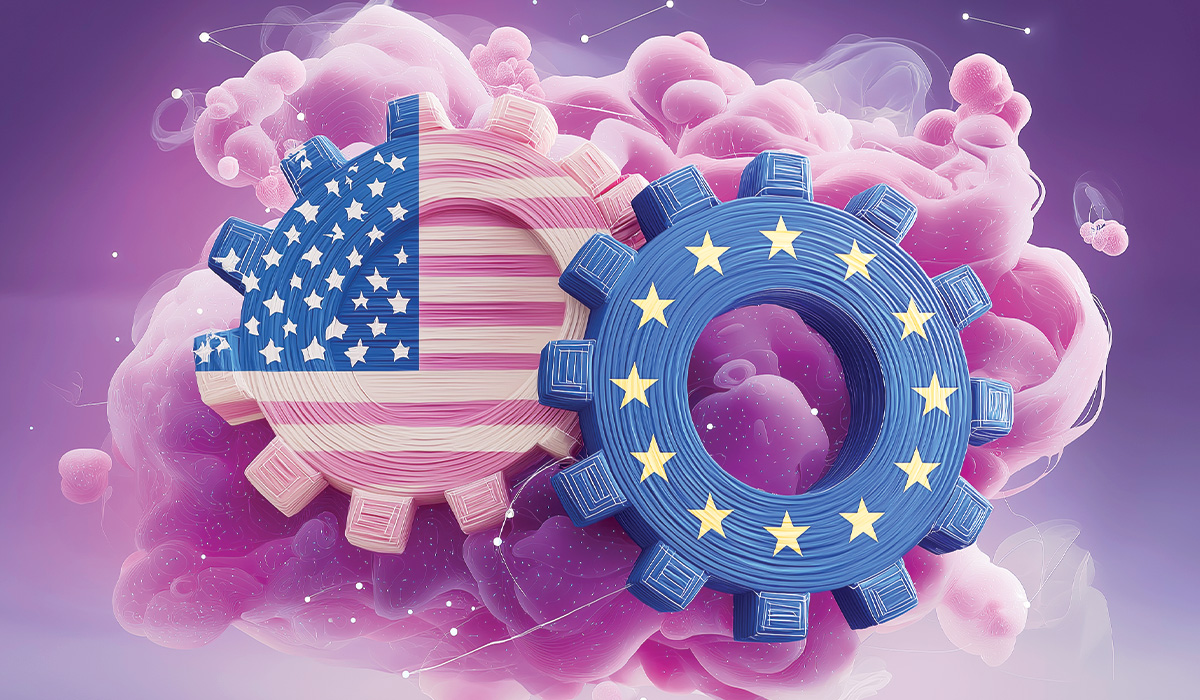
Policymakers on both sides of the Atlantic have recently made high-profile moves to reset how they regulate health software, but for companies developing rapidly advancing AI-enabled technologies many open questions remain.
In December, the European Commission put forward a sweeping package of proposed reforms to the Medical Device and IVD Regulations, including a rewrite of the software classification rule that has left developers more confused than reassured. In the US, FDA recently signaled a willingness to widen the space in which digital health tools can operate without agency review by updating two key digital health guidance documents and launching a novel pilot program.
Industry generally favors what it perceives as FDA’s more hands-off approach compared to additional bureaucracies and constraints on the EU side. However, neither authority has yet to adequately confront the challenges these tools pose, experts suggest. Generative AI is increasingly being deployed in clinical settings and marketed directly to patients—largely without regulatory oversight on either side of the Atlantic. The technology is presenting what some say is an existential challenge to device regulatory frameworks, requiring outside-the-box thinking, while others argue what’s needed is more investment in the system and a new mindset in the tech industry about the value of regulation.