ARTICLE SUMMARY:
A Sydney-based start-up makes vascular modeling quick and simple for dialysis patients amid a shortage of qualified specialists.
Before creating Australian vascular mapping start-up Vexev, co-founders Eamonn Colley, PhD, and John Carroll, PhD, met while researching vascular disease formation. They realized that widespread fatal events such as heart attacks and strokes were not sudden occurrences, but the culmination of progressive arterial blockage, and wanted to understand the mechanisms of vascular disease and simulate it over time computationally.
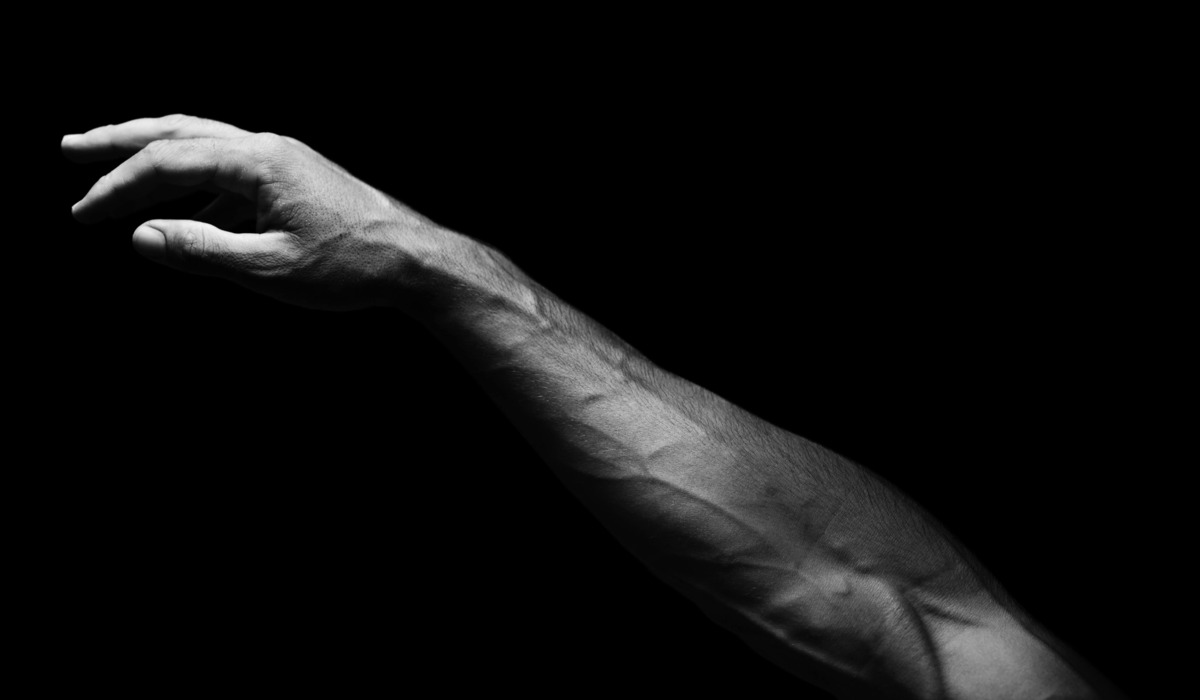
From there, Colley and Carroll worked with a leading expert vascular surgeon who specialized in end-stage kidney disease (ESKD). ESKD patients who receive dialysis to filter their blood when the kidneys are no longer able to do so require an arteriovenous fistula (AVF) to gain closed-loop access to the circulatory system. To create an AVF, physicians need to understand the topology of the vessels in a patient’s arm, the most common access point for AVF. MRI would be the preferred imaging modality if not for its prohibitive cost, and other methods are more invasive and may require nephrotoxic contrast dye, creating a barrier to patient assessment and research.