ARTICLE SUMMARY:
Regulators in the EU, UK, and US already mandate the structured capture of medical device safety data. Now they are beginning to analyze it, and they expect device manufacturers to be doing the same. Existing capabilities, however, may hold companies back, warns Qinecsa’s Jonathan Messer.
Medical device manufacturers have invested considerable effort over recent years to build infrastructure that meets enhanced postmarket surveillance requirements. This includes implementing IMDRF coding frameworks, establishing postmarket surveillance (PMS) plans, and submitting structured incident data to regulators. As of the beginning of 2026, more of these obligations, including Europe’s EUDAMED database reporting requirements, are becoming mandatory. For many organizations, however, the focus has been on meeting data capture and submission requirements, without any real anticipation of what regulators intend to do with that data.
| About the Author
Jonathan Messer is head of signal and surveillance products at Qinecsa, and product lead for the Qinecsa Vigilance Workbench (QVW) |

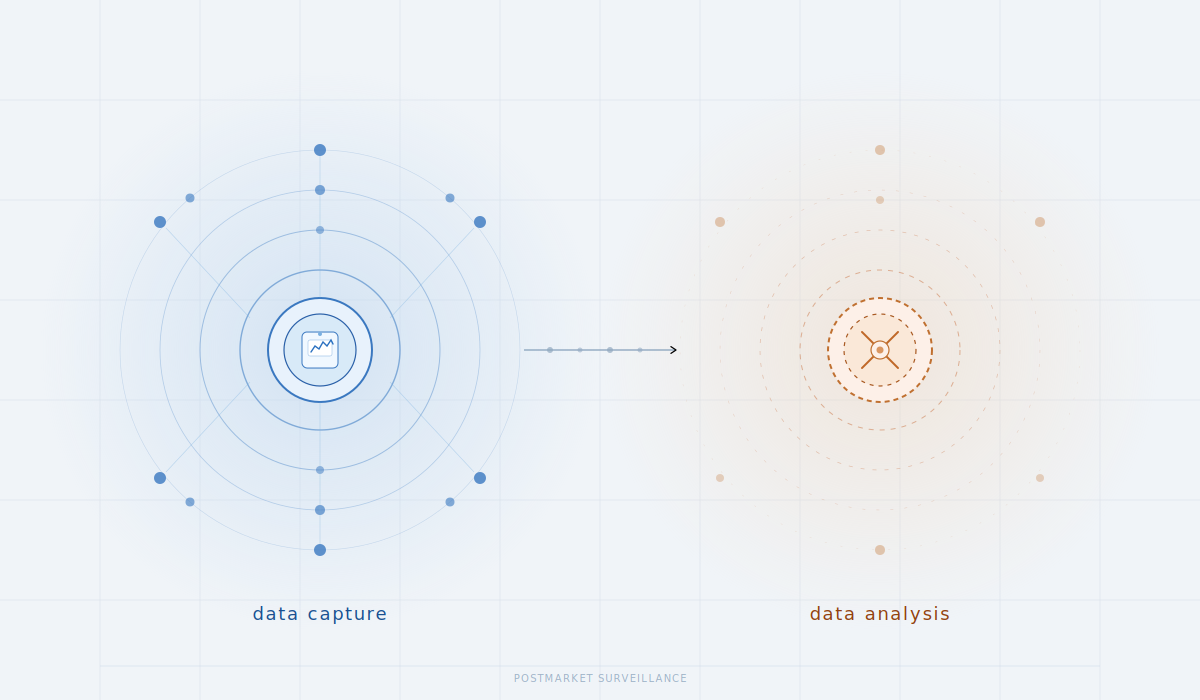
Increasingly, we can expect to see regulators running analytics against the data they have accumulated, a shift in emphasis from “Has the data been submitted?” to “How is it being interrogated, and what trends are you identifying?” For organizations that have treated device vigilance primarily as a reporting exercise up to now, this could be a challenge.