ARTICLE SUMMARY:
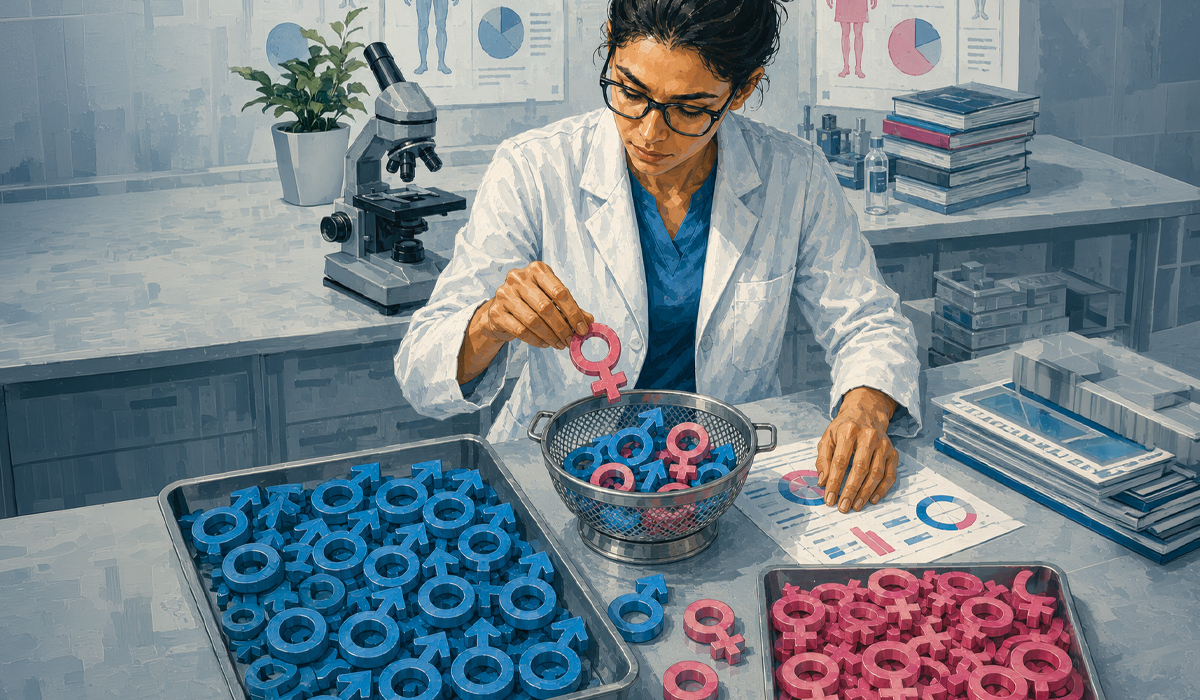
On a panel at the annual Dublin Innovation Summit engaged stakeholders discuss the benefits and challenges of gathering deep data during the development and testing of therapies and diagnostics, specific to the gender of the patients who will benefit from the medical interventions.
Women are biologically different from men, and not only in the obvious ways. Many diseases affect women more than men (and vice versa) or affect them differently than men. Women also respond to therapies differently than men.
In therapeutic areas of interest to the medtech industry, numerous examples bear out these biological and pathophysiological differences. In the cardiovascular space, heart failure with preserved ejection fraction and tricuspid valve disease affect more women than men. Abdominal aortic aneurysms grow faster in women than men and are more prone to rupture at smaller diameters, such that mortality risk from AAA is higher in women.